Small businesses can manage seasonal inventory storage by utilizing flexible warehouse solutions like month-to-month leases, climate-controlled units, and short-term overflow spaces. This approach allows companies to scale their footprint during peak surges while maintaining cost-efficiency throughout the year. Planning three to six months in advance further ensures that warehouse space is optimized for maximum fulfillment speed and profitability.
For many small business owners, the shift between seasons often triggers a logistical crisis defined by overflowing backrooms and unmanageable stock levels. Managing these inventory peaks requires more than just additional floor space; it necessitates a sophisticated strategy that long term, rigid leases are often unable to provide. When fixed overhead becomes a bottleneck for scaling, your business needs a storage solution that adapts to market demand in real time. This guide examines the critical advantages of flexible warehousing and professional inventory management over traditional self storage options. We will discuss how to prepare your logistics strategy for peak periods and how local expertise in the Uintah Basin can streamline your fulfillment process. By implementing these expert storage practices, you can protect your margins and ensure your operations remain agile throughout the year.
The Challenge of Seasonal Inventory Peaks for Small Businesses
Seasonal inventory storage refers to the strategic management of goods that experience significant demand fluctuations during specific times of the year. For small businesses across Utah and the Uintah Basin, this creates a predictable but taxing boom and bust cycle. Manufacturers and retailers must ramp up production or purchasing months in advance to prepare for peak periods, leading to a temporary surge in stock that can easily overwhelm a standard storefront or small backroom.
This influx of products places significant financial and operational strain on a business. Maintaining enough inventory to meet demand during the holidays, the spring lawn and garden rush, or summer outdoor recreation peaks requires physical space that many small operations simply do not have on site. It is important to distinguish between two types of inventory that often compete for this space:
Safety Stock: The buffer inventory kept on hand at all times to protect against supply chain disruptions or unexpected spikes in daily demand.
Seasonal Stock: The specific inventory built up for a known, time limited event, such as winter gear or holiday merchandise.
Concrete examples of seasonal items that require specialized handling include winter apparel and snow removal equipment, back to school supplies, and holiday decorations. When these items arrive all at once, they can create bottlenecks that slow down fulfillment and increase the risk of damage. Without reliable warehousing and storage solutions, business owners often find themselves tripping over pallets or losing track of high velocity items, which ultimately impacts the bottom line and customer satisfaction.
Why a Full Time Warehouse Lease is Often a Growth Bottleneck
Relying on a traditional commercial lease to manage seasonal inventory storage often leads to a persistent financial drain known as the "empty space tax." When a business signs a lease for a fixed facility, they must commit to a footprint large enough to handle their highest peak. During off-peak months, the business continues to pay for the utilities, insurance, and square footage of a mostly empty building. This fixed cost structure limits the agility required to navigate market shifts or lean seasons.
In the Utah real estate market, specifically within Duchesne and the broader Uintah Basin, commercial leases frequently demand a three to five-year commitment. These long-term contracts are a high-risk gamble for small businesses that may not be able to accurately predict their space needs several years in advance. Committing to a large overhead before revenue is stabilized can stifle growth by diverting funds away from product development or marketing.
By contrast, choosing flexible storage that can grow allows business owners to convert fixed overhead into a variable cost. Instead of being locked into a rigid contract for a facility that is too large for most of the year, companies can scale their footprint up or down based on actual stock levels. This scalable approach ensures that capital remains liquid rather than being tied up in underutilized warehouse floor space.
Flexible Warehouse Storage: The Smart Alternative for Scaling
Transitioning from a rigid lease to a flexible model fundamentally changes how a company manages its bottom line. Flexible warehousing allows a business to access professional space on an as needed basis, paying only for the square footage or pallet positions currently occupied. This model directly addresses the primary need for warehouse storage without a lease, providing a low commitment alternative that aligns physical footprint with actual stock levels.
This approach introduces the concept of variable cost logistics. Instead of a high, fixed monthly expense that remains constant regardless of sales volume, storage costs become a flexible line item on the balance sheet. For a small business owner, thinking like a CFO means recognizing that capital is best spent on revenue generating activities like inventory acquisition or marketing, rather than maintaining a mostly empty building.
The ability to scale up rapidly is particularly critical during high demand periods like Black Friday or the spring outdoor season. This elasticity is essential for managing seasonal inventory storage, allowing a business to secure additional space to house a temporary influx of goods and then contract that footprint once the surge passes. This scalability prevents the operational bottlenecks that occur when stock overflows a small shop or garage, without requiring the business to carry the overhead of a massive facility year round. By utilizing flexible storage that can grow alongside the supply chain, companies maintain the agility needed to respond to market opportunities without the financial anchor of a long term real estate commitment.
Professional Inventory Management vs. Self Storage Units
Small businesses often turn to self-storage units when their backrooms overflow, but these facilities are rarely equipped for commercial operations. A standard storage unit is essentially a dark box without the infrastructure required for efficient fulfillment. In contrast, professional warehousing provides the structural benefits of reliable warehousing and storage solutions that include proper racking, designated loading zones, and professional handling equipment.
One of the primary advantages is the ability to apply the 80/20 rule to inventory management. In most businesses, 20 percent of the product line accounts for 80 percent of the movement. A professional warehouse like Duchesne Warehouse helps identify these high velocity items and positions them in accessible picking zones to speed up distribution during peak seasons. Self-storage units, by design, often lead to buried stock where the most needed items end up at the back of a cramped unit, requiring hours of manual labor to retrieve.
Safety and organization also separate these two options. Professional facilities maintain clear, unobstructed pathways and utilize safety signage to prevent accidents. While a self-storage unit might seem like a simple fix, the hidden costs of lost time, misplaced inventory, and lack of professional organization make it an inefficient choice for growing manufacturers and retailers.
How to Prepare Your Warehouse Strategy for Peak Season

Effective seasonal inventory storage begins long before the first shipment arrives at the dock. A proactive strategy requires a three to six month lead time to ensure that physical capacity and labor resources align with sales goals. The preparation process follows the core stages of the inventory management process: purchasing, receiving, storing, and tracking. By breaking the preparation into distinct phases, a business can maintain control over its cash flow and physical organization.
Forecasting Demand: Review historical sales data from the previous year. Factor in current market trends and planned marketing campaigns to estimate the total pallet positions required for the peak period.
Auditing Current Stock: Perform a physical count of existing inventory to identify slow moving items. Clearing out obsolete stock before the rush creates room for high velocity seasonal products and prevents overcrowding.
Securing Flexible Space: Once volume is estimated, contact Duchesne Warehouse to reserve the necessary footprint. Securing space ahead of time ensures that the facility is ready to receive goods as soon as they arrive from the manufacturer.
To minimize holding costs, businesses should synchronize supplier shipping dates with the activation of their flexible storage agreement. Requesting a staggered delivery schedule prevents the entire seasonal load from arriving on a single day, which can cause logistical bottlenecks. By timing arrivals to land just as your flexible storage that can grow becomes active, you reduce the duration of time that capital is tied up in storage fees before the sales cycle begins. This coordinated approach transforms the warehouse from a simple holding area into a dynamic component of the distribution workflow.
Optimizing Warehouse Stock Storage for Efficient Fulfillment

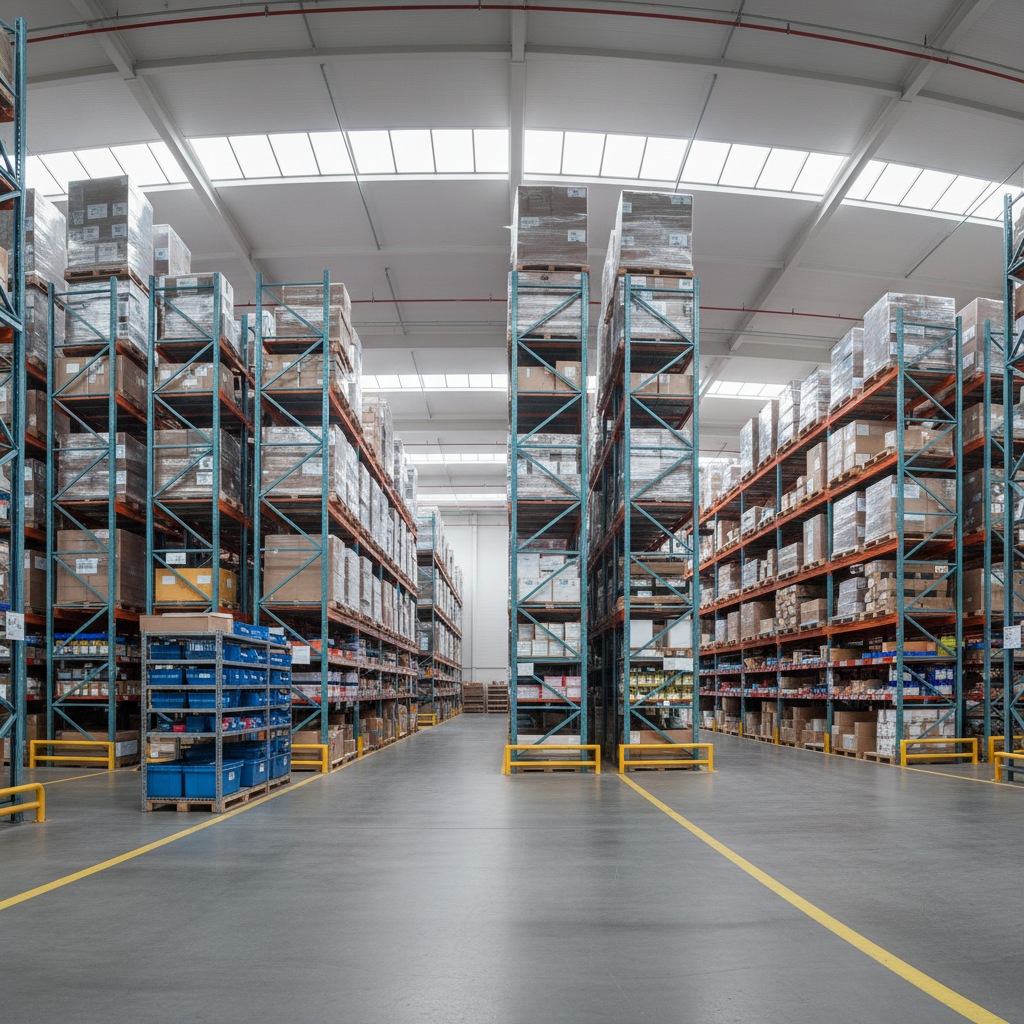
Maximizing the utility of seasonal inventory storage requires more than just floor space; it requires a strategic layout that prioritizes speed and accuracy. One of the most effective methods for small businesses to increase capacity is through vertical storage techniques. By utilizing high density racking systems, businesses can store slow moving safety stock on upper levels while keeping high velocity seasonal items at ground level for rapid access. This vertical approach increases the total capacity of the footprint without needing to pay for additional square footage.
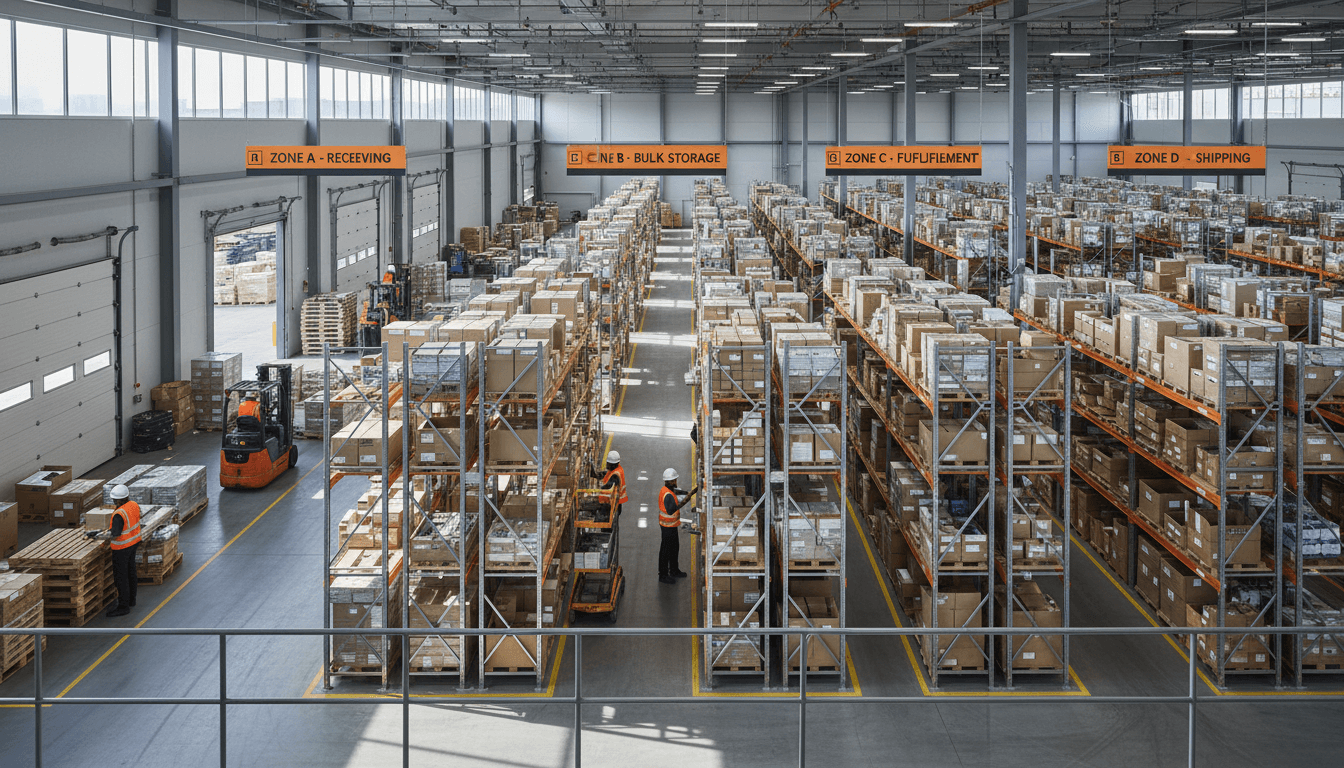
Efficiency during a peak season rush depends heavily on the creation of clear picking zones. We recommend organizing the warehouse so that top selling items are staged nearest to the shipping and receiving docks. This minimizes the travel time for staff and reduces the physical fatigue that often leads to fulfillment errors. A well organized layout ensures that traffic flows logically, preventing the bottlenecks that occur when multiple orders are processed simultaneously.
Accurate labeling systems serve as the backbone of this organization. Every pallet position and bin should be clearly marked with high visibility alphanumeric codes. For retailers, this precision speeds up the distribution workflow by allowing team members to locate products instantly rather than searching through unmarked stacks. Maintaining a clean, organized environment with reliable warehousing and storage solutions ensures that every item is accounted for and ready for immediate dispatch, directly protecting the business reputation for timely delivery.
Supporting Uintah Basin Businesses with Local Logistics Expertise

Positioning seasonal inventory storage within the Uintah Basin provides a distinct competitive advantage for businesses operating in Duchesne, Roosevelt, or Vernal. By staging stock closer to the point of sale or production, companies avoid the high freight costs and weather related delays often associated with hauling goods over the mountain passes from the Wasatch Front. This regional proximity allows for faster replenishment cycles, which is critical when local demand spikes unexpectedly.
Our location at the intersection of Highway 40 and Highway 191 makes Duchesne Warehouse a strategic hub for northeastern Utah distribution. Manufacturers serving the local energy sector or retailers preparing for the summer crowds at Starvation Reservoir can maintain a nimble supply chain without the financial burden of long distance logistics. We provide reliable warehousing and storage solutions that reflect the specific economic landscape of our region. As your operations evolve, our flexible storage that can grow ensures that physical space never becomes a bottleneck. By choosing a local partner, you gain better control over your inventory and reduce the overhead of your distribution workflow. To optimize your regional logistics, contact Duchesne Warehouse to discuss a storage plan tailored to your specific volume.
Navigating seasonal fluctuations requires a careful balance of strategy and flexibility. By staying organized and utilizing scalable storage options, your business can remain efficient even during peak demand cycles. If you want expert help managing these logistical challenges, you might find it beneficial to review our professional Services. Partnering with an experienced team allows you to focus on your customers while ensuring your inventory remains secure and accessible. Let us help you streamline your operations so you can focus on sustainable growth.