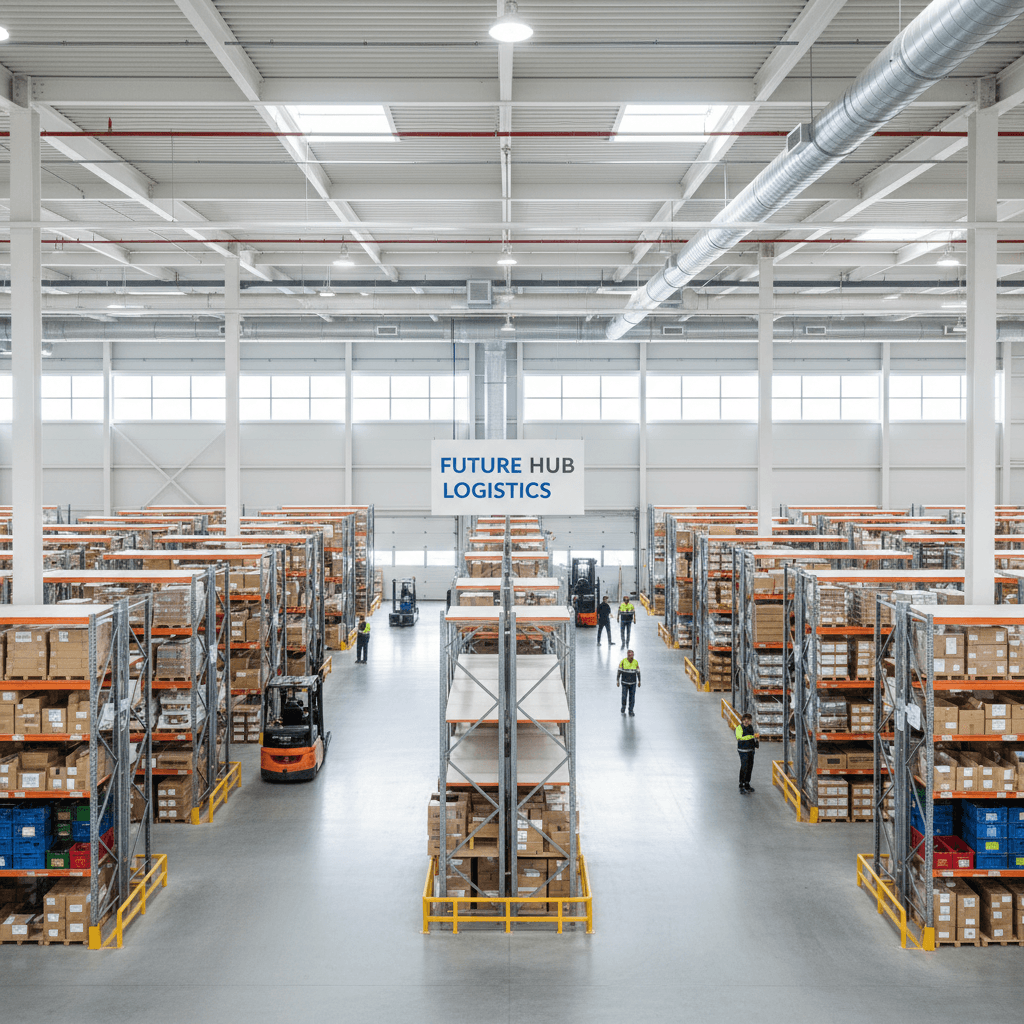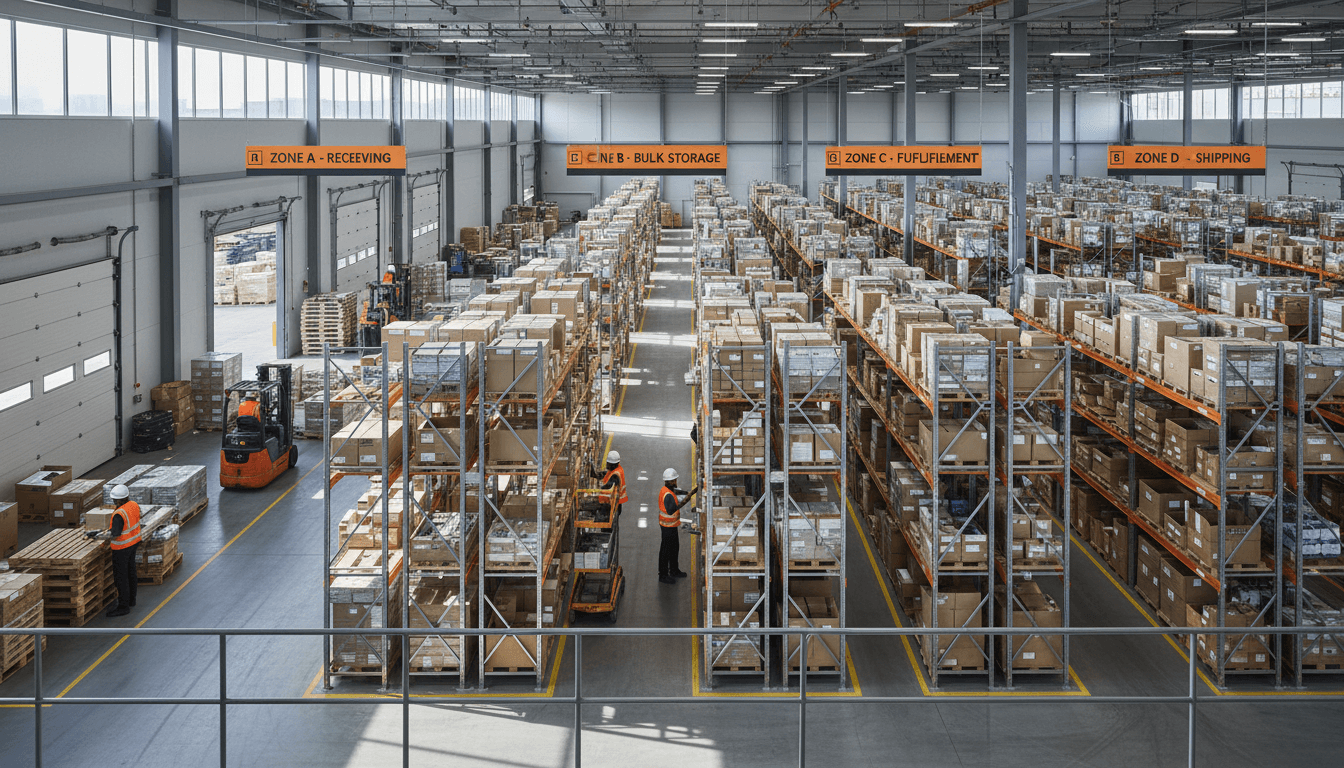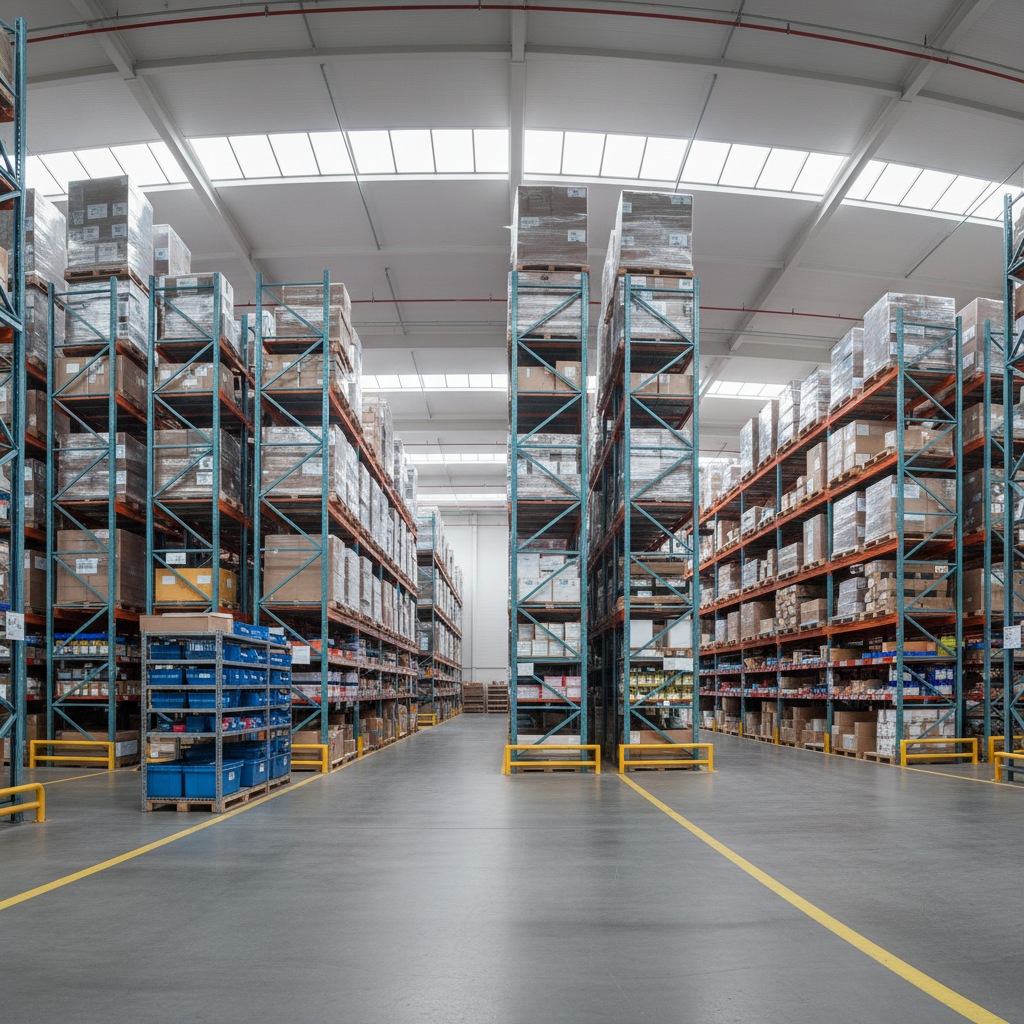
Small businesses should choose between private leases and flexible warehouse storage solutions for small business by evaluating their growth trajectory, budget, and operational needs. While private leases offer dedicated control for established brands, flexible or third-party logistics options provide the scalability required to manage fluctuating inventory without long-term commitments.
Every growing business reaches a point where inventory surpasses the capacity of a home office or a small storefront. This transition represents success, but it also introduces a significant operational risk if you overextend on fixed overhead. Choosing the right warehouse storage solution is not merely about finding a roof for your product; it is about protecting your cash flow during periods of fluctuation. A long term private lease offers control but demands heavy investment in labor, equipment, and utility management. Conversely, flexible warehousing allows for rapid scaling without the burden of a multi year commitment. We will explore the true costs associated with each model, the logistical requirements of modern distribution, and how a strategic location in Duchesne can provide a competitive edge. This comparison will help you decide which path secures your bottom line while supporting long term expansion.
The Transition Point: When Your Garage or Small Office No Longer Works
Growth for a Utah business often begins in a spare bedroom or a cluttered garage. While these low cost environments are ideal for testing a concept, they eventually become a ceiling for operational success. You might notice that fulfillment times are creeping up because staff spends twenty minutes searching for one specific SKU buried under non-work items. Inventory errors become common when products are scattered across multiple rooms or disjointed self-storage units. This is the critical juncture where "getting by" starts to cost more than operational efficiency.
Scaling a home-based operation in Duchesne or the Uintah Basin into a professional retail or manufacturing entity requires a shift in infrastructure. If you find yourself turning down bulk orders or delaying product launches because there is physically nowhere to put the raw materials, you have hit the wall. The primary goal is to move from a reactive state, where you are constantly shuffling boxes to find floor space, to a proactive state where your logistics support your sales goals. Transitioning to secure warehousing and storage solutions allows you to reclaim your professional focus and stabilize your inventory management.
Identifying effective warehouse storage solutions for small business early prevents the bottleneck that stifles long-term growth. Professional handling ensures that every item is tracked and accessible, eliminating the hidden costs of lost or damaged stock that plague disorganized setups. If your current space dictates how much you can sell, it is time to look at a managed environment. To discuss how to transition your inventory footprint, you can contact Duchesne Warehouse for a practical assessment.
The Real Cost of Leasing Your Own Warehouse Space

When moving out of a home office, the initial instinct is often to search for a commercial lease. The sticker price for industrial space in Utah typically ranges between $8 and $15 per square foot, according to PAA data. However, these figures represent base rent and rarely reflect the total cost of occupancy. In a private lease, you are typically responsible for "Triple Net" (NNN) expenses, which include property taxes, building insurance, and common area maintenance. These add-ons can increase your monthly outflow by 20% to 30% before you even turn on the lights.
Operating your own facility introduces several hidden overheads that managed secure warehousing and storage solutions absorb. You must account for:
Utilities: Climate control for a large warehouse in the Uintah Basin can be expensive during extreme Utah winters.
Security: Installing and monitoring alarm systems, cameras, and access controls.
Maintenance: Repairing dock levelers, HVAC systems, and lighting fixtures.
Equipment: The capital required for racking, pallets, and material handling tools.
Beyond the financial commitment, a private lease demands operational expertise. You become responsible for implementing the 5S rule of warehousing: Sort, Set in order, Shine, Standardize, and Sustain. In a self-managed space, the business owner must personally design the workflow, label every rack, and enforce cleaning protocols to ensure safety and efficiency. If these systems are not maintained, the true cost of the warehouse manifests as lost inventory, slowed fulfillment, and workplace accidents.
Furthermore, the industrial real estate market in Duchesne and the broader Utah region is currently volatile. Most landlords require a three to five year commitment. For a growing company, signing a long-term lease for 5,000 square feet might feel right today, but it becomes a liability if your needs double or halve within eighteen months. Locking yourself into a fixed footprint based on current market rates can prevent the agility needed to survive economic shifts. Understanding these total costs is essential before deciding to contact Duchesne Warehouse to compare managed options against a DIY approach.
Benefits of Flexible Warehouse Storage Solutions for Small Business
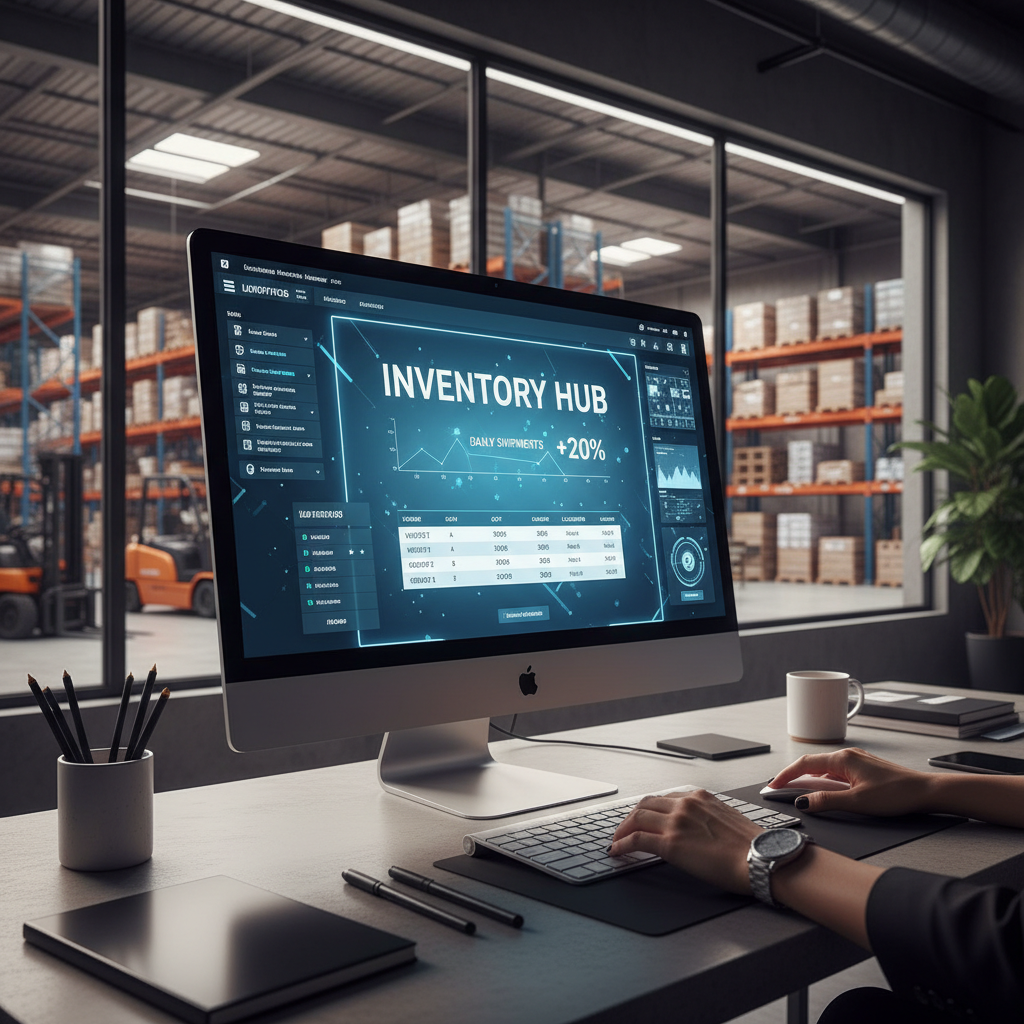
The primary advantage of flexible secure warehousing and storage solutions lies in risk mitigation. Unlike a rigid commercial lease, which forces a business to pay for future capacity or struggle in a cramped environment, flexible storage operates on a scalable model. You only pay for the square footage or pallet positions you actually occupy. This prevents the financial strain of paying for empty air during seasonal lulls and ensures you never run out of room during peak sales periods.
Professional inventory management serves as the backbone of these services. When a business relies on a DIY setup, the owner often becomes the lead forklift operator and inventory clerk by default. This shift in focus creates operational bottlenecks. Managed solutions utilize professional tracking systems to ensure accurate stock levels, which is a core value at Duchesne Warehouse. By outsourcing the physical handling and organization of goods, a business owner can pivot their attention back to high-value activities like product development and sales growth.
Efficiency in a managed facility contrasts sharply with the DIY nature of a private lease. In a private warehouse, you are responsible for every pallet move, safety check, and organization protocol. In a flexible environment, the facility handles the logistics of receiving and outgoing shipments. This structural support reduces the time between a customer placing an order and the product leaving the dock. It transforms warehousing from a chaotic storage problem into a streamlined fulfillment engine.
Small businesses often find that flexible warehouse storage solutions for small business offer a much lower barrier to entry than traditional industrial real estate. There are no three year commitments to sign and no property taxes to manage. To explore how managed space can stabilize your supply chain, you can contact Duchesne Warehouse for specifics on available square footage and handling capabilities.
Comparing Labor and Equipment Requirements
Setting up a private warehouse requires significant capital expenditure long before the first pallet is moved. You must invest in material handling equipment such as forklifts, pallet jacks, and industrial racking. A standard forklift can cost between $20,000 and $50,000, not including the recurring costs of maintenance, fuel, and operator certification. In contrast, using a managed facility allows you to leverage existing infrastructure, turning these heavy upfront costs into predictable operational expenses.
Labor introduces another layer of complexity and risk. With a private lease, you are responsible for hiring, training, and managing staff to handle your inventory. This creates a difficult balancing act: you either pay for idle hours during slow periods or struggle with understaffing during seasonal peaks. Flexible secure warehousing and storage solutions absorb this variability. The facility manages the labor pool, ensuring that handling efficiency remains high regardless of your current volume.
By utilizing professional staff who are already trained in precise inventory control and safety protocols, you avoid the administrative burden of human resources and worker’s compensation insurance. This allows your business to benefit from institutional expertise in organization and distribution without the overhead of a dedicated warehouse team. To learn more about optimizing your equipment and labor costs, you can contact Duchesne Warehouse for a detailed consultation.
Decision Matrix: Which Path is Right for You?
Determining the right path forward requires a clear assessment of your current business profile rather than just your projected revenue. The common industry debate regarding whether it is better to lease or own a warehouse often ignores a more efficient third way: flexible, managed secure warehousing and storage solutions. This middle ground provides the infrastructure of a large scale corporation without the long term liability of a commercial lease.
Business Profile | Primary Challenge | Optimal Logistics Strategy |
|---|---|---|
Seasonal Retailer | High volatility in stock levels; dramatic holiday peaks. | Scalable managed storage to adjust footprint monthly. |
High-Volume Manufacturer | Constant throughput; requires high density racking. | Managed storage to avoid heavy capital expenditure on equipment. |
Growing Service Provider | Specialized equipment; needs organized accessibility. | Professional inventory management with expert handling protocols. |
The Seasonal Retailer typically struggles with the financial drain of a year-long lease during months when inventory is low. For this profile, paying for empty square footage is a direct hit to profitability. Conversely, the Growing Service Provider needs to ensure that high value tools or materials are handled safely and organized logically, a task that often falls by the wayside in a DIY garage or small office setup.
High-Volume Manufacturers might eventually reach a scale where a dedicated facility is necessary, but during growth phases, managed warehouse storage solutions for small business allow for rapid expansion without the $50,000 forklift investments or multi-year lease commitments. For companies operating in the Uintah Basin, the decision often centers on how much administrative friction the owner is willing to tolerate. If you are ready to move away from managing pallets yourself, you can contact Duchesne Warehouse to review your specific volume requirements and determine the most cost effective storage model.
Why Strategic Location in Duchesne Matters for Utah Logistics
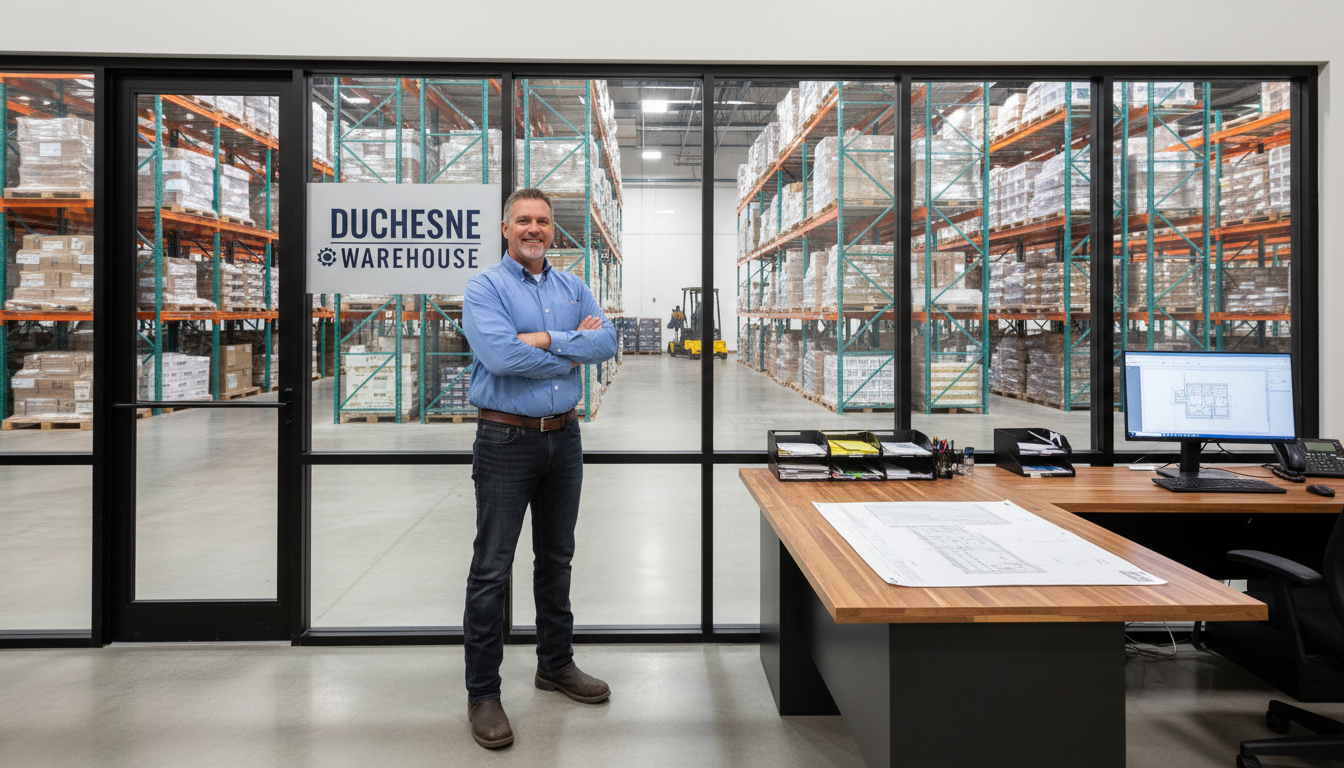
Regional distribution from a hub like Duchesne eliminates the friction points found in larger Utah metros. The Wasatch Front is currently plagued by rising industrial rents and chronic traffic congestion that adds hours to delivery schedules. By positioning inventory in the Uintah Basin, businesses capitalize on lower operational overhead while maintaining direct access to US Highway 40. This route serves as a critical artery for regional commerce, connecting the local economy to the broader interstate system without the premium price tag or the logistical bottlenecks of a Provo or Salt Lake City zip code.
Local knowledge is an overlooked asset in supply chain management. A provider deeply embedded in the Utah landscape understands how seasonal weather patterns and regional industry shifts affect transit times. These warehouse storage solutions for small business are designed to handle the specific needs of Uintah Basin manufacturers and service providers who require responsive, localized support. Working with a partner that knows the local highways and local business culture ensures that logistics remain a tool for growth rather than a source of frustration.
Choosing a strategic location also impacts the ability to scale without physical constraints. In crowded urban centers, expanding your footprint often requires moving to an entirely new facility due to lack of vacancy. Duchesne offers the physical room to grow, providing secure warehousing and storage solutions that adapt as your inventory volume fluctuates. This regional focus allows for a more personalized level of service and a commitment to maintaining accurate inventory management for local clients. To find out how a localized logistics strategy can improve your distribution efficiency, you can contact Duchesne Warehouse to discuss your regional storage needs.
Deciding between a private lease and flexible storage ultimately depends on your current business goals and growth trajectory. While a lease provides stability, flexible solutions offer the agility needed to scale without unnecessary risk. If you find yourself unsure which path aligns best with your operational needs, reaching out for professional guidance can provide the clarity you need. To see how our team supports business growth through tailored logistics, you can learn more about our approach and explore how we help companies thrive.